The Inner Child Frequency Of The Stand By Me Soundtrack
How music made childhood feel eternal
There is a particular frequency carried by the Stand by Me soundtrack—quiet, relational, and deeply regulating. It doesn’t announce itself. It doesn’t demand attention. It simply stays.
That quality is not accidental. The songs come from a moment when music functioned less as identity performance and more as emotional infrastructure. These were not tracks designed to signal who you were to strangers; they were sounds meant to live inside kitchens, cars, bedrooms, and neighborhoods. Music floated between people. It was shared air.
That collective context matters, especially to the inner child.
Shared Listening as Safety
Before headphones and algorithms, radios were often on all day. Songs drifted through rooms and out of windows, becoming part of a shared emotional environment. You didn’t curate alone—you absorbed together.
For the nervous system, this kind of listening creates regulation. It communicates something simple and profound: you’re not alone; others are here with you.
The Stand by Me soundtrack carries that signal. It feels grounding rather than overwhelming because it comes from a world where music connected people horizontally, not competitively. It reminds the inner child that sound can be a place of belonging.
Loyalty Without Drama
At the center of the soundtrack is a quiet ethic: stay.
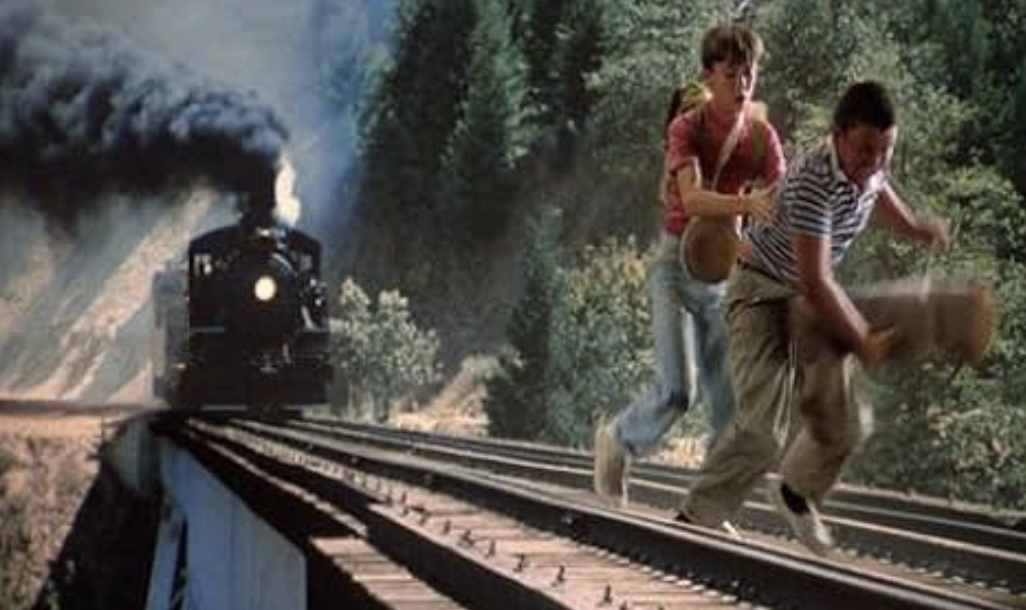
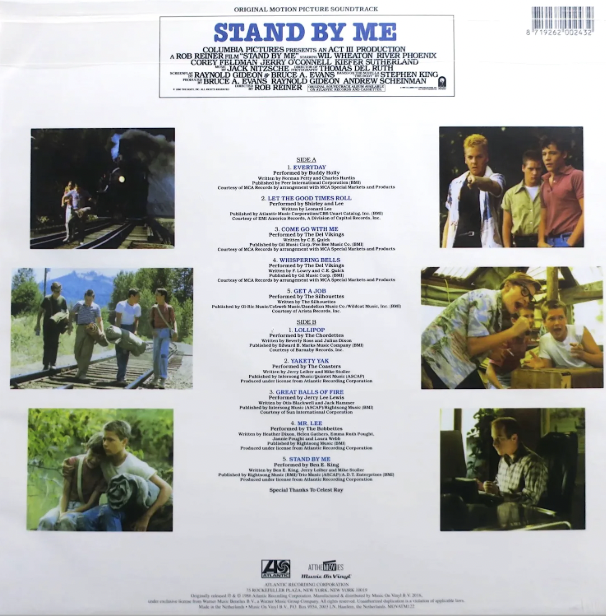
Ben E. King’s “Stand by Me” is the emotional spine of the film, not because it swells or instructs, but because it reassures. The song doesn’t ask for proof, transformation, or performance. It offers presence in uncertainty. Companionship without conditions.
That is inner-child language.
Across the soundtrack—whether in sweetness, humor, or rebellion—the same idea orbits beneath the surface: connection holds. Friendship is not something to earn; it is something to lean on.
It’s no accident that “Stand by Me” re-entered the charts decades after its release, following the film. The song didn’t age because the need it speaks to never does.
Innocence, Edge, and the Moment Before Change
Set in 1959, the film draws from late-1950s and early-1960s American pop and rock—a world just before everything shifted. Pre-Beatles. Pre-mass cultural rupture.
Songs like Buddy Holly’s “Everyday” and The Chordettes’ “Lollipop” carry a gentle optimism. They sound like believing in tomorrow without irony. Like liking someone quietly. Like being a kid before armor becomes necessary.
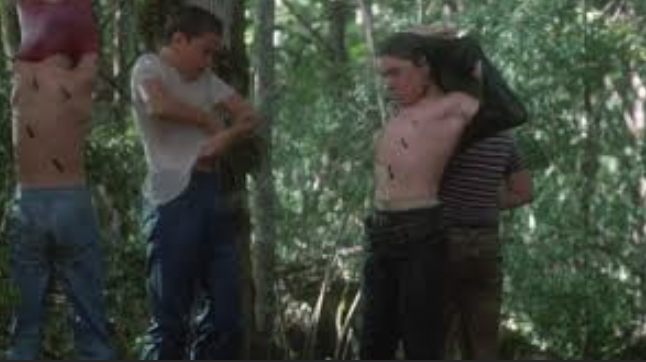
Then there’s the spark of edge: Jerry Lee Lewis’s “Great Balls of Fire,” The Coasters’ “Yakety Yak.” Humor, sass, mischief. The first taste of danger. Childhood brushing up against the fact that growing up is coming.
Together, these songs don’t narrate the plot—they map a feeling. They sound like how childhood felt, not how it literally looked.
Presence Over Spectacle
One of the soundtrack’s greatest strengths is restraint.
The music never competes with the story. It doesn’t rush emotional peaks or force catharsis. It leaves space.
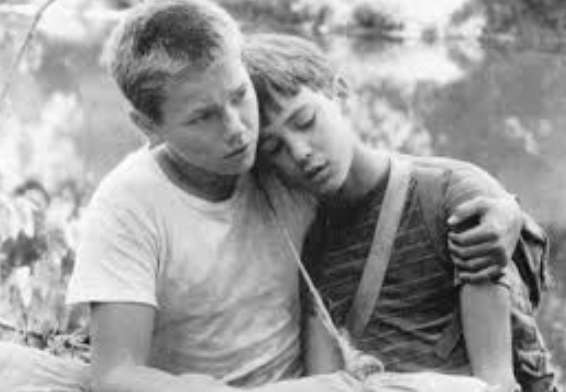
That spaciousness models a way of being many people crave again:
presence over spectacle
feeling over explanation
belonging without audition
For the inner child, this is regulating. It restores the sense that you don’t have to do anything special to be included. You can simply be there.
Memory Carried Through Sound
Sound is one of our earliest memory carriers. Simple, melodic, voice-forward songs bypass analysis and move straight into the nervous system. They feel remembered even when they’re new.
This is why the Stand by Me soundtrack often evokes a familiarity that feels older than one’s own life. It activates an internal archive of safety, companionship, and shared time—an emotional memory rather than a historical one.
You’re not recalling a specific summer. You’re remembering the feeling of having one.
Not a Time Capsule, but a Transmission
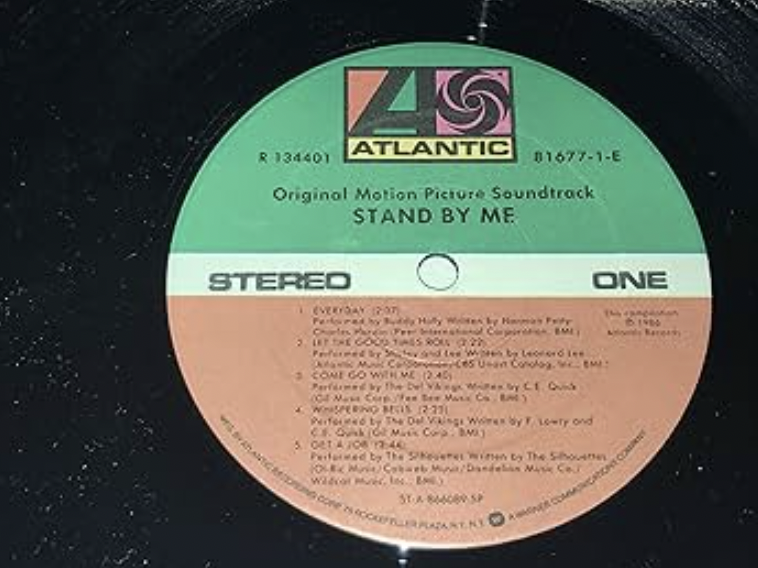
The power of the Stand by Me soundtrack doesn’t come from nostalgia alone. It comes from what it transmits forward.
It carries:
friendship as structure
loyalty as stabilizer
sound as shared space
This is why it continues to resonate across generations and creative disciplines. It isn’t frozen in the past. It’s relational technology—still working.
The soundtrack reminds us of something essential and enduring: walking forward is easier when you don’t do it alone.
That frequency—quiet, steady, communal—never expires.